Well Drilling in Tompkins County, NY
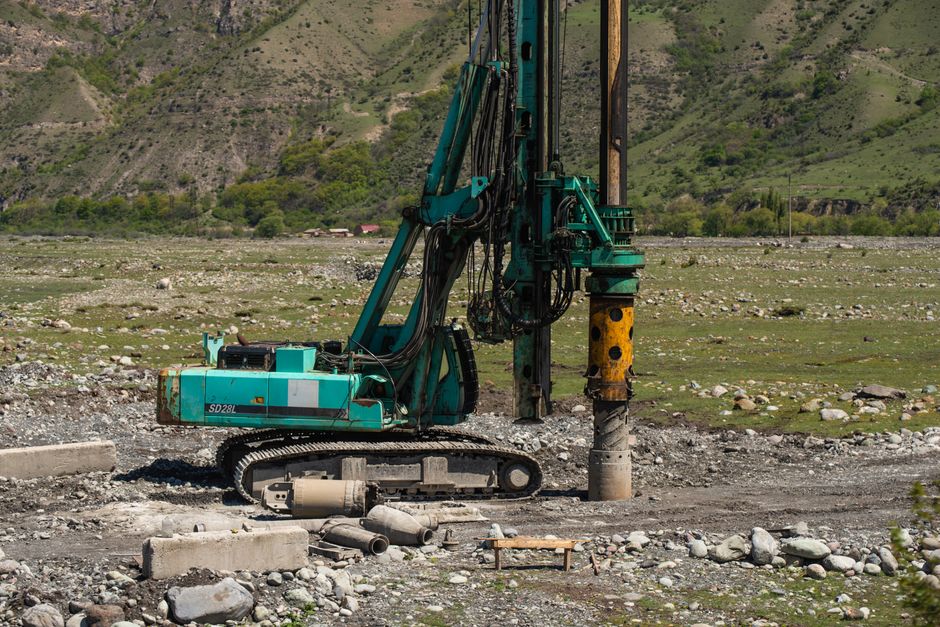
A new well is a bigger project than a pump repair or replacement, but it comes up more often than you'd think — new construction on a lot that has no existing well, a well that's failed beyond what a repair can address, or a property whose current well simply doesn't produce enough water for the household anymore. Ithaca Well Pump Repair connects Tompkins County homeowners with well drilling service. Call (914) 530-6133 or request a quote to get started.
When does a property need a new well instead of a repaired one?
A well that has run dry, one whose casing has failed structurally, or one that simply can't produce enough water for current household demand are the most common reasons a new well gets drilled rather than continuing to service an existing one. Depth and geology vary meaningfully across Tompkins County — see our well depth and geology guide for how that plays out between the shale-hill towns and the lake-plain areas closer to Cayuga Lake — and that variation affects both how deep a new well needs to go and what it costs to get there.
What does the process generally involve?
Drilling a well involves siting the location, drilling to a depth that reaches a reliable water-bearing zone, casing the well to protect it from surface contamination, and installing the pump system once the well itself is complete. New York requires a well completion report to be filed for new wells, which becomes part of the property's record.
Do I need a permit?
Permitting requirements can vary by municipality, and it's worth confirming with your specific town before drilling begins. Whoever performs the drilling should be able to speak to what's required for your particular property and location.
How does local geology affect a new well?
Where in Tompkins County a property sits has a real effect on how a new well gets planned. In the shale-hill towns south of Ithaca — Caroline, Danby, Newfield, and the ridge country toward Spencer — wells are typically drilled into bedrock, and yield depends heavily on which fracture zones the well intersects, which means depth alone doesn't guarantee output. Closer to Cayuga Lake, in Lansing and the lower parts of the Town of Ithaca, wells more often sit in glacially-carved sand and gravel deposits, generally easier to predict but with their own seasonal yield characteristics. See our well depth and geology guide for how this plays out town by town, since it affects both how a new well gets sited and what it's likely to cost.
What if an existing well isn't producing enough water?
A well that once served a household adequately can fall short if demand has grown — an addition, more bathrooms, irrigation, or simply a well that's aged and lost some of its original yield. In some cases, a new well is the more practical answer than continuing to work around an undersized existing one. This is a conversation worth having directly with whoever evaluates your property, since the right answer depends heavily on the specific well's history and the property's actual demand.
What happens after drilling is complete
Once a new well is drilled and cased, it still needs a pump system installed before it can supply the house — see well pump replacement and submersible and jet pumps for what that involves. New York also requires a well completion report to be filed for the new well, which becomes part of the property's permanent record and is useful documentation for any future owner or buyer.
A note on hiring anyone for well work in New York
New York requires businesses performing well work to register annually with the DEC. Use the DEC's Water Well Contractor Search Tool to confirm registration before hiring anyone for a new well.
What happens when you request service
Describe your situation — new construction, a failed existing well, or a well that's no longer producing enough water — along with your town. That routes your request to service that can evaluate the property and scope the project.
Related service pages
See well pump repair and well pump replacement.
Considering a new well? Call (914) 530-6133 or get a quote.