Sump Pump Service in Tompkins County, NY
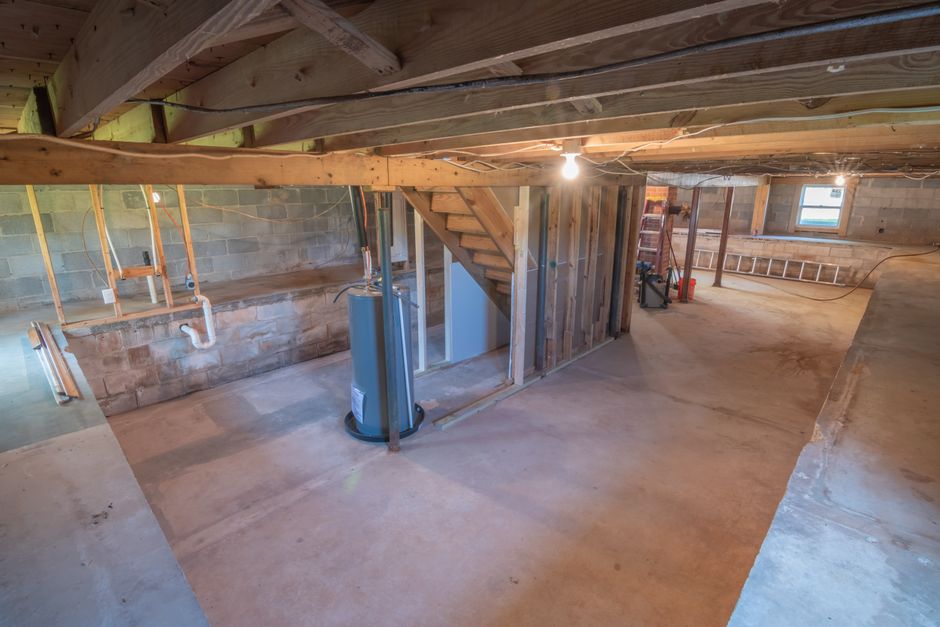
It's an easy mix-up: a well pump and a sump pump are both called "the pump" around the house, but they do completely different jobs. A well pump brings water into the house from your well; a sump pump moves groundwater or runoff out of a basement or crawlspace before it becomes a flooding problem. Ithaca Well Pump Repair connects Tompkins County homeowners with sump pump service. Call (914) 530-6133 or request a quote to get started.
What's the actual difference?
A well pump is part of your water supply — it's how water gets from the well into your household plumbing. A sump pump is part of your drainage system — it sits in a basement sump pit and activates when groundwater rises, pumping it away from the foundation before it floods the space. They're unrelated systems that happen to share the word "pump," and a problem with one doesn't imply anything about the other. See our sump pump vs. well pump article for the full comparison.
Signs your sump pump needs attention
A sump pump that isn't activating when the pit fills, one that runs constantly without ever seeming to lower the water level, or a basement with water intrusion despite having a working pump are all signs worth addressing before a heavier rain or spring thaw turns a minor issue into real water damage.
Why private-well properties often have both systems
Needing a private well and needing a sump pump are two separate facts about a property, driven by different things — whether municipal water reaches the property, versus how the property sits relative to the local water table and drainage patterns. A lot of Tompkins County homes on private wells, especially those near creeks, low-lying ground, or areas with a naturally high water table, also rely on a sump pump for basement drainage. Having both doesn't mean the two systems are connected; they simply coexist on the same property, solving completely different problems. See Sump Pump vs. Well Pump for the full comparison if you're not sure which one is actually giving you trouble.
Seasonal patterns worth knowing
Spring thaw and heavy rain events are when sump pumps see the most demand, since that's when groundwater levels rise fastest. A sump pump that's performed fine through a dry summer can suddenly reveal a problem once seasonal groundwater rises again, which is why a pump that seems fine in August isn't necessarily fine going into spring. If your property has had basement water issues in past springs, it's worth having the sump system checked before the next one arrives rather than after water has already appeared.
Battery backup and power outages
Since a sump pump only works when it has power, a basement that's prone to flooding during storms — exactly when power outages are also more likely — can be left unprotected at the worst possible moment. A battery backup system keeps the sump pump running through a power outage, and it's worth asking about if your property has had both flooding and outages in the same storm before.
What happens during a sump pump evaluation
Service typically includes checking whether the pump activates correctly at the expected water level, whether it's actually moving water at an adequate rate, and whether the discharge line is clear and properly routed away from the foundation. A pump that runs but doesn't seem to lower the pit level can point to a clogged intake, a failing impeller, or a discharge line that isn't draining properly.
What happens when you request service
Describe what you're noticing — the pump not activating, running constantly, or a basement with water despite having a pump — along with your town. That routes your request to service that can diagnose and address the sump system directly.
Related service pages
See well pump repair for anything related to your water supply pump instead.
Related reading
Sump pump acting up? Call (914) 530-6133 or get a quote.