Real Estate Well & Pump Testing in Tompkins County, NY
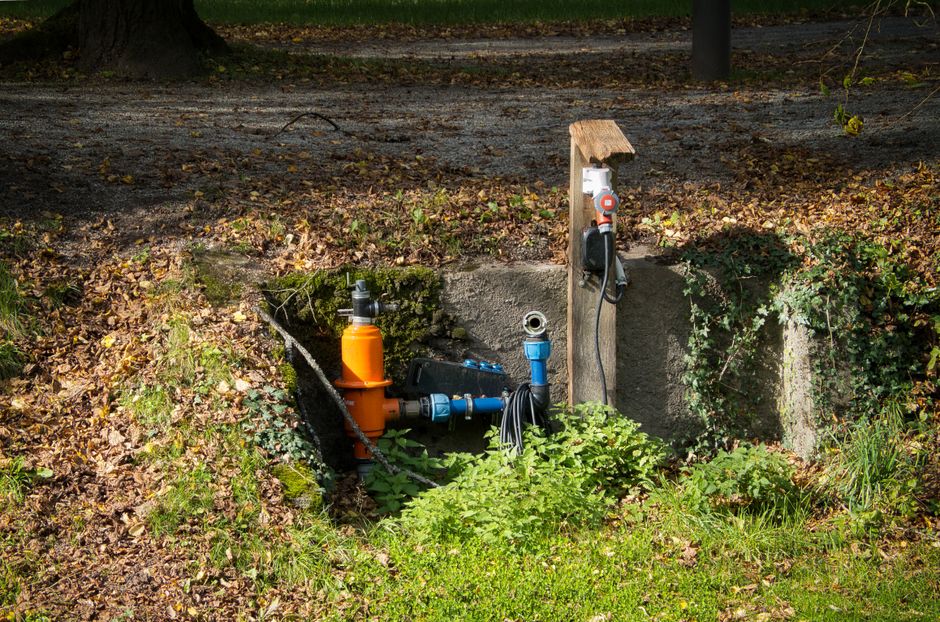
Tompkins County has no local law requiring a well to be tested at the time of a home sale, but that doesn't mean testing doesn't happen — plenty of buyers, sellers, and lenders request a flow test and a look at the well/pump system anyway, simply because a private well is one of the biggest unknowns in a home purchase and nobody wants to find out the pump is failing after closing. Ithaca Well Pump Repair connects buyers, sellers, and their agents with well and pump testing for real estate transactions. Call (914) 530-6133 or request a quote to get started.
Is testing legally required here?
No. Unlike some downstate New York counties that have a specific local law requiring well testing at time of sale, Tompkins County has no such requirement. Testing here is a matter of common practice, not legal obligation — buyers and lenders often ask for it as part of due diligence, and sellers sometimes offer it proactively to head off questions during negotiation, but nothing in county or town code mandates it.
What does a flow (well-yield) test actually check?
A flow test measures how much water the well can reliably produce over a sustained period — a way of confirming the well can actually keep up with a household's real demand rather than just producing water briefly before tapering off. This is a different test from a water-quality or potability test, which looks at what's in the water rather than how much of it the well can deliver. See our flow test explainer for the full breakdown of what the process involves.
What about the pump and pressure tank?
Alongside a flow test, a real estate evaluation typically includes a look at the pump's condition, the pressure tank's air charge, and the switch's settings — the same components covered in well pump repair, pressure tanks, and pressure switches — since a buyer benefits from knowing the age and condition of those parts, not just the well's raw output.
Timing a test around your closing
Real estate transactions run on fixed timelines, and a flow test typically needs several hours to run properly — commonly two hours or more of continuous operation to get a reliable read on sustained yield, not just a brief burst. Scheduling it early in the transaction process, rather than waiting until just before closing, gives everyone time to act on the results if something unexpected turns up.
What a low or borderline result means
Not every well that underperforms on a flow test is a dealbreaker. Depending on the specific numbers and what a household actually needs, options can include negotiating repairs or a price adjustment as part of the transaction, evaluating whether a pump or pressure system change could improve real-world delivery, or in some cases looking at whether the well needs supplementing. This is a conversation worth having with your real estate agent or attorney based on the specific result and your situation — a testing service can report what the well is producing, but how that factors into the transaction itself is a legal and negotiation question, not a technical one.
Buying a home on a private well
If you're in the middle of a purchase, our guide to buying a home on a private well in Tompkins County covers the fuller checklist, including what documentation to ask for and what a DEC well-completion record can tell you about the well's history.
What happens when you request service
Let us know whether you're buying or selling, your timeline (closings often have firm dates), and the property's town. That routes your request to service that can schedule a flow test and system evaluation that fits your transaction timeline.
Related service pages
See well pump repair, pressure tanks, and water treatment and filtration.
Related reading
Buying or selling a home on a private well? Call (914) 530-6133 or get a quote.