Pressure Switch Service in Tompkins County, NY
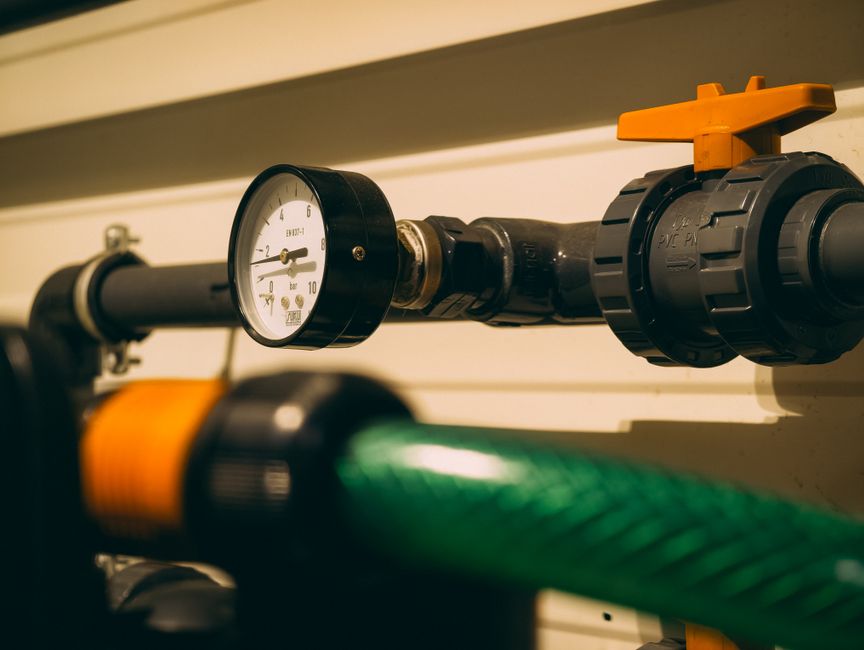
The pressure switch is a small component with an outsized job: it's what tells the pump when to turn on and when to shut off, based on the pressure it senses in the system. When a switch starts failing — sticking, misreading pressure, or drifting out of its correct settings — the symptoms can look a lot like a pump or tank problem, which makes an accurate diagnosis worth getting before assuming the pump itself is at fault. Ithaca Well Pump Repair connects Tompkins County homeowners with pressure switch diagnosis and service. Call (914) 530-6133 or request a quote to get started.
What does the switch actually do?
The switch monitors pressure in the system and signals the pump to turn on once pressure drops to a set low point, then signals it to shut off once pressure climbs back to a set high point. That on/off range is what keeps the system running automatically without anyone manually starting or stopping the pump.
Why does the pump run constantly?
A pump that never seems to shut off, or that runs far longer than it should to satisfy normal household demand, often means the switch isn't reading pressure correctly or has failed to signal shutoff at the right point. It can also mean the tank isn't holding pressure the way it should be — see pressure tanks for that side of the equation, since the two components are diagnosed together more often than not.
What's a normal cut-in/cut-out setting?
Most residential well systems are set to a 30/50 range — the pump turns on when pressure drops to 30 psi and shuts off once it climbs back to 50 psi — though some systems are set to other ranges depending on the equipment and the household's needs. What matters more than the exact numbers is consistency: a system that reliably cycles within its set range is working correctly, while one that drifts, lags, or fails to shut off at the expected point usually has a switch problem worth investigating. See our 30/50 rule article for the full explanation.
Why switches drift out of setting over time
A pressure switch's cut-in and cut-out points are set mechanically, using springs and contacts inside the switch housing, and like any mechanical component, that setting can drift gradually over years of use — vibration, corrosion on the contacts, or simple wear can all shift where the switch actually triggers relative to where it was originally set. A switch that's drifted doesn't necessarily fail outright; it often just performs a little worse over time, running longer than it should or cutting off later than expected, before eventually causing a symptom obvious enough to notice.
How a switch problem is diagnosed differently from a tank problem
Because a failing switch and a failing tank can produce similar symptoms — a pump that runs too long, or cycles more than it should — an accurate diagnosis usually involves testing the switch's actual trip points against a gauge reading, not just observing the symptom. If the switch trips at the correct pressure but the tank still can't hold that pressure, the tank is the problem. If the switch fails to trip at the correct pressure regardless of what the tank is doing, the switch is the problem. See pressure tanks for the other half of this diagnosis.
Can I adjust the switch myself?
Reading your pressure gauge and noting what it shows when the pump turns on and off is a homeowner-safe check that's genuinely useful to report when requesting service. Actually adjusting or repairing the switch involves electrical connections and isn't something we'd recommend attempting yourself — it's exactly the kind of task that gets scheduled as service rather than a DIY fix.
What happens when you request service
Note what you're seeing on the pressure gauge, whether the pump seems to run longer than usual, and your town. That's enough to route your request to service that can test the switch's actual cut-in/cut-out points against what it should be doing and correct or replace it as needed.
Related service pages
See pressure tanks, well pump repair, and no-water and low-pressure troubleshooting.
Related reading
Pump running longer than it should? Call (914) 530-6133 or get a quote.